Newport

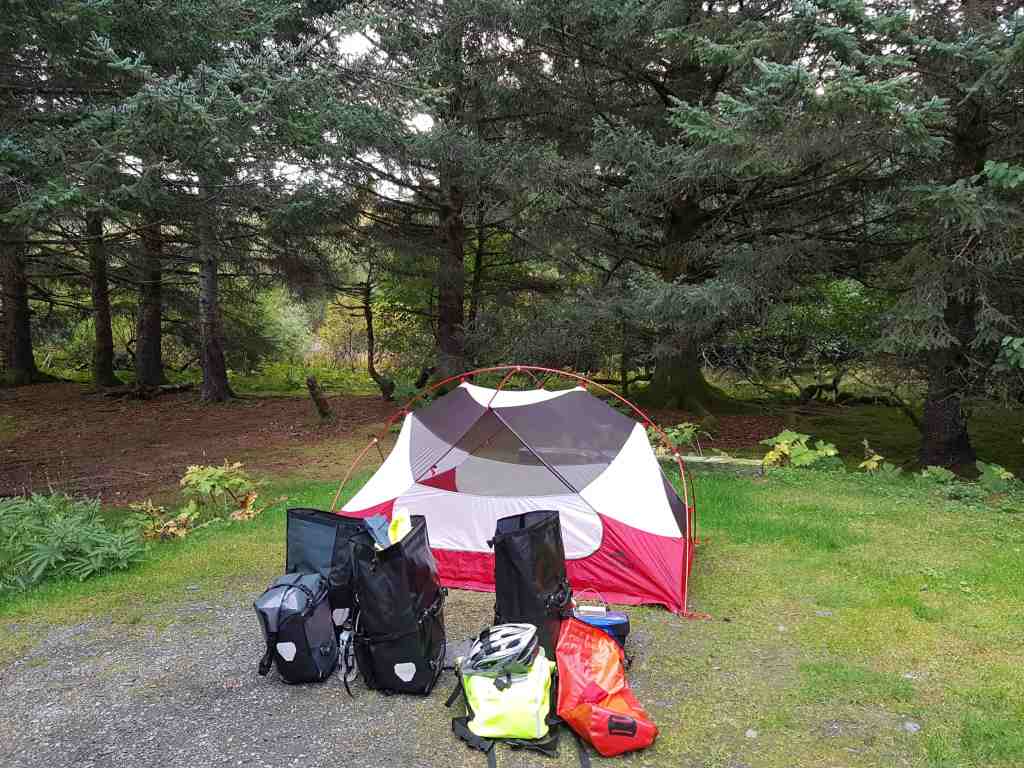
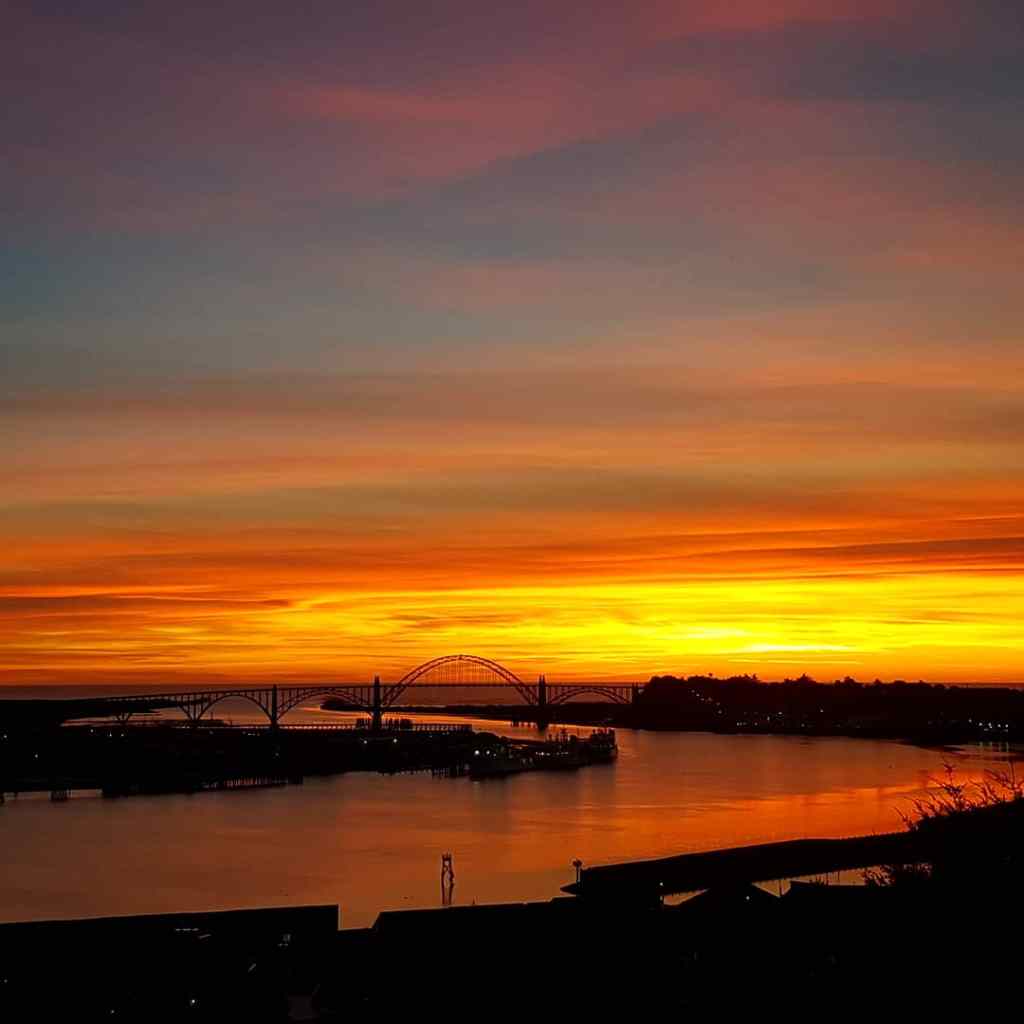
Whilst waiting on new tyres, I spent almost a week in Newport and could hear the barking of sea lions almost everywhere I went. Camping in the forest at South Beach State Park, between the highway and the sea, the sound of the sea lions reached me over the rush of traffic and the roar of the surf. It was a few days before I visited them at the docks on the north side of the bay where they entertain daily crowds with their shouts and squabbles.
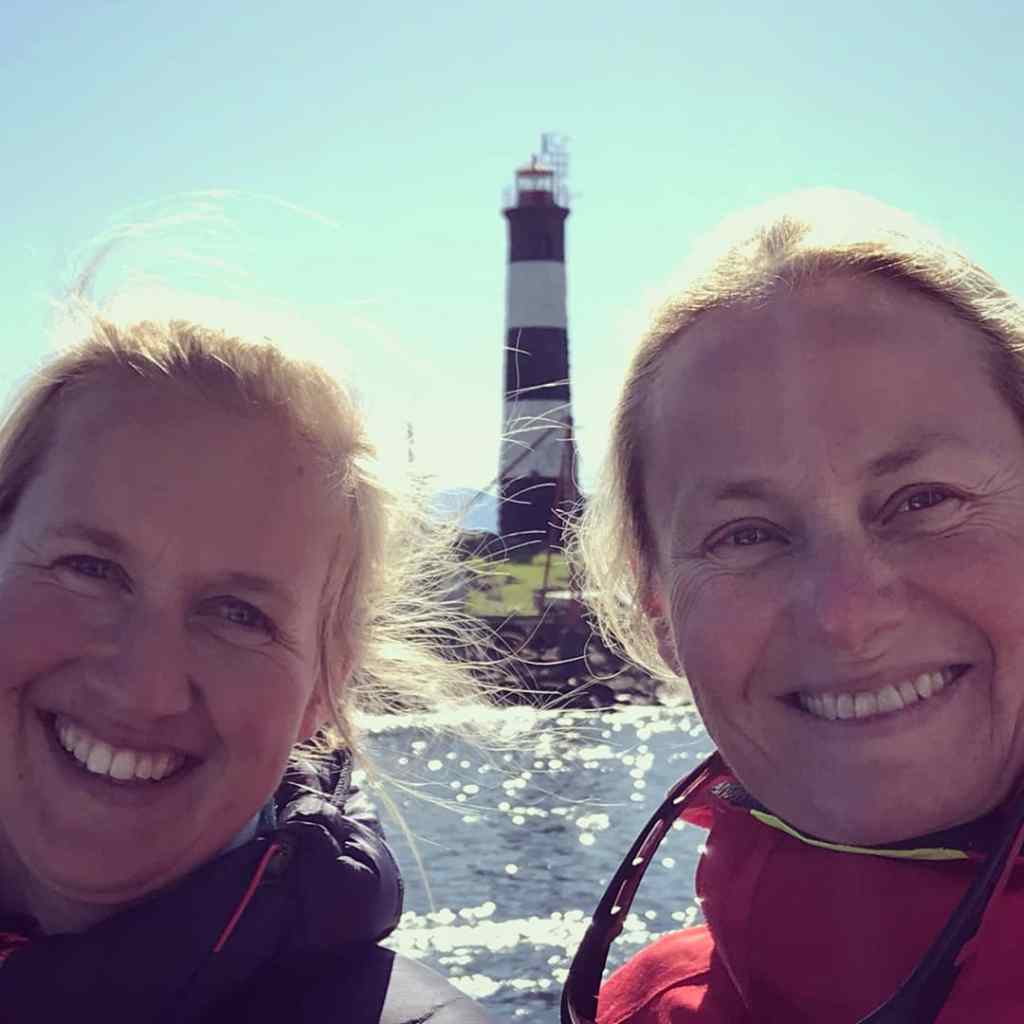
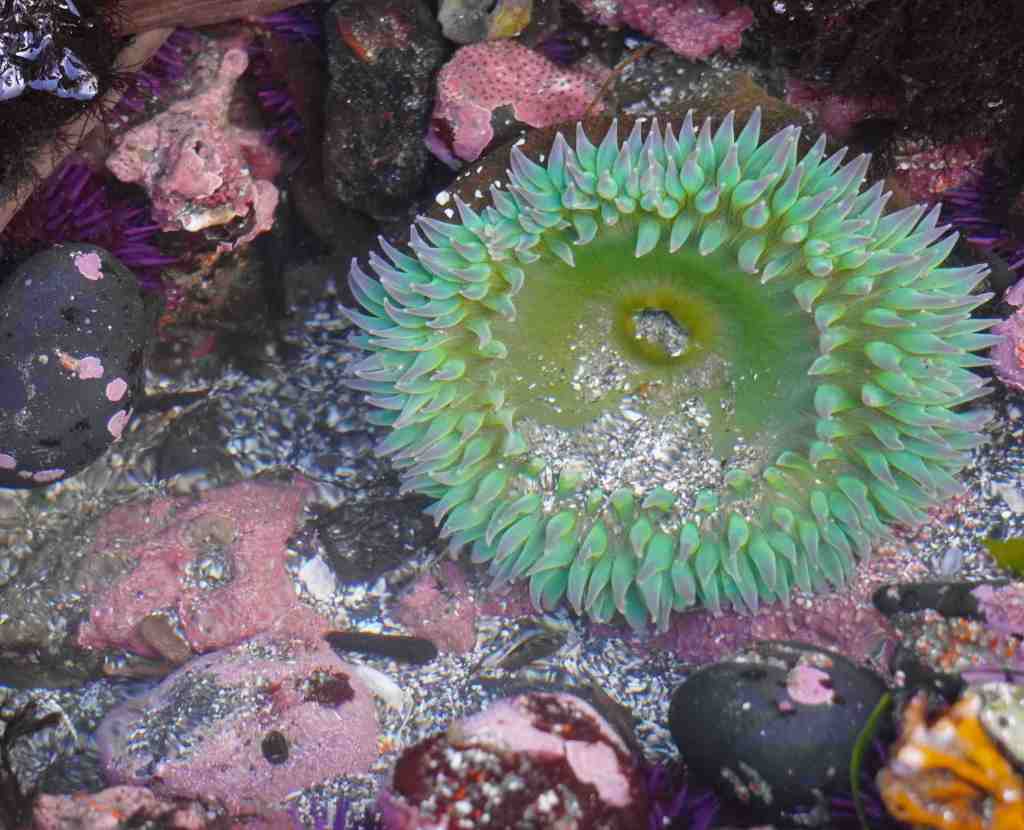
Yaquina lighthouse, on a headland to the north of the bay, was the wind-blasted scene of a chilly wedding shoot and some skateboarding practise. With the sea cloaked in white caps and the wind making my eyes water, I didn’t spend too long looking for whales. Instead, a flight of stone steps took me down to a sheltered beach with rock pools filled with slime-green anemones, spiny purple sea urchins and dark red starfish delicately laced with white. It was tempting to stay and search for further treasures but the sun was sinking and the park would soon close.

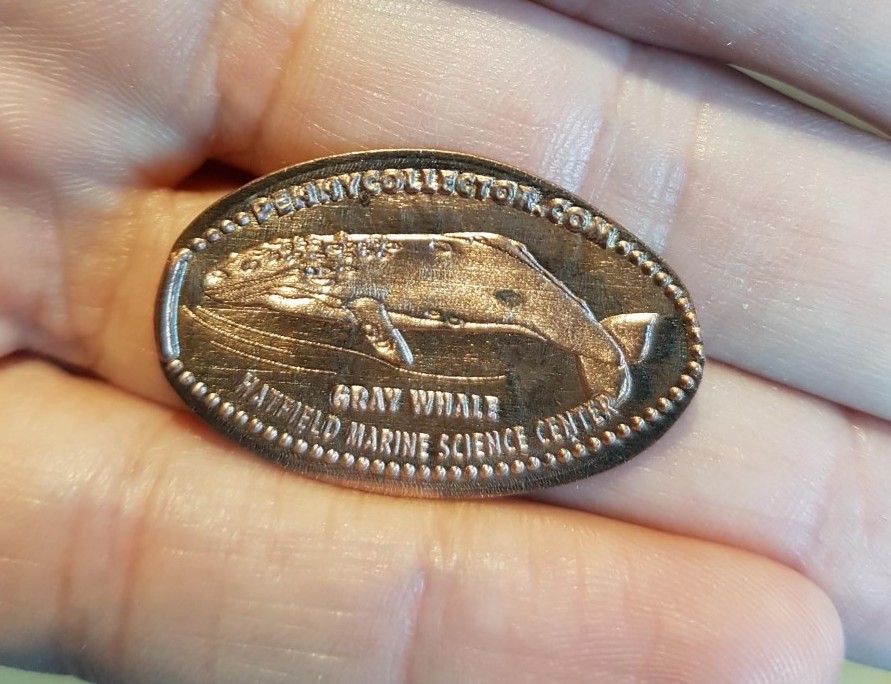
The South Beach area of Newport, south of the bridge, is a hive of marine biology research and the site of Oregon State University’s Hatfield Marine Science Centre. There, the Geospatial Ecology of Marine Megafauna (GEMM) Lab, headed by Assistant Professor Leigh Torres, is studying the foraging ecology, body condition, hormone levels and behaviours of the local gray whales under different environmental, ocean noise and prey conditions. It was fascinating to hear more about this work from Prof. Torres and to chat gray whales with Dr. Bruce Mate and Masters student Clara Bird (hopefully more details to follow soon).
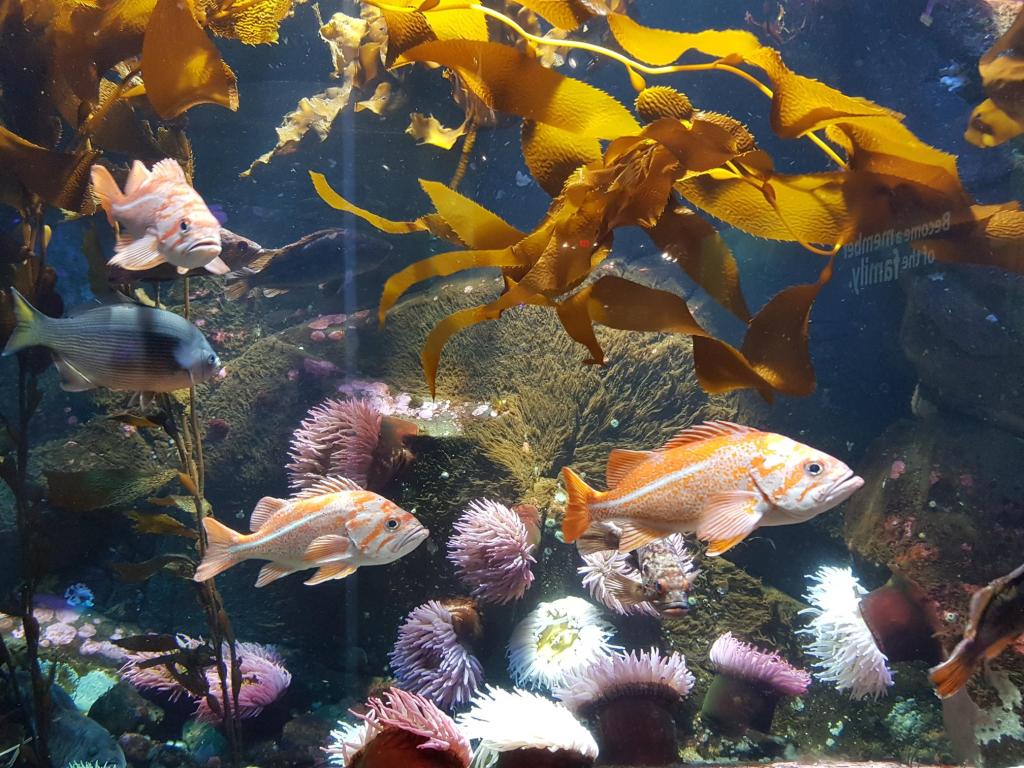
Not far from Hatfield Marine Science Centre is Newport Aquarium, where I passed a drizzly afternoon watching sea otters. After being hunted almost to extinction for their fur, sea otter numbers have increased both to the north and to the south but not yet in Oregon. There’ve been a few sightings though, a sea otter recovery could still occur. A recent blog post from the GEMM lab discusses the possible role of otters in combating the dramatic ecosystem shift from productive kelp forests to purple sea urchin barrens that has been observed in northern California following an increase in sea surface temperature and reduced urchin predation as a result of sea star wasting disease. Some areas of southern Oregon have also experienced recent losses of kelp forests and a resurgence of the marine heatwave of 2014 — nicknamed The Blob — makes these matters all the more urgent. In the meantime, I’ll need to wait until California to see sea otters in the wild.

With sunny days and chilly nights, and an abundance of sea life and cafes, Newport was an excellent place to pass some time. Now, with new tyres fitted, I’m excited to be on the move again.
Depoe Bay

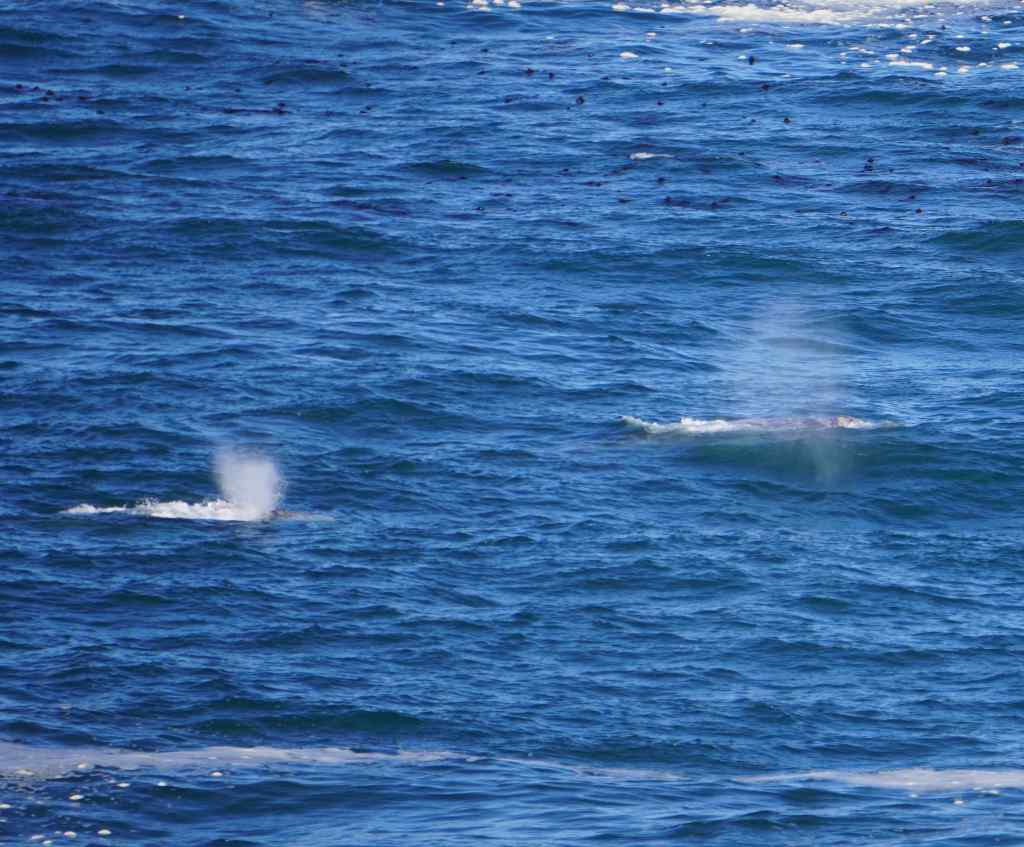
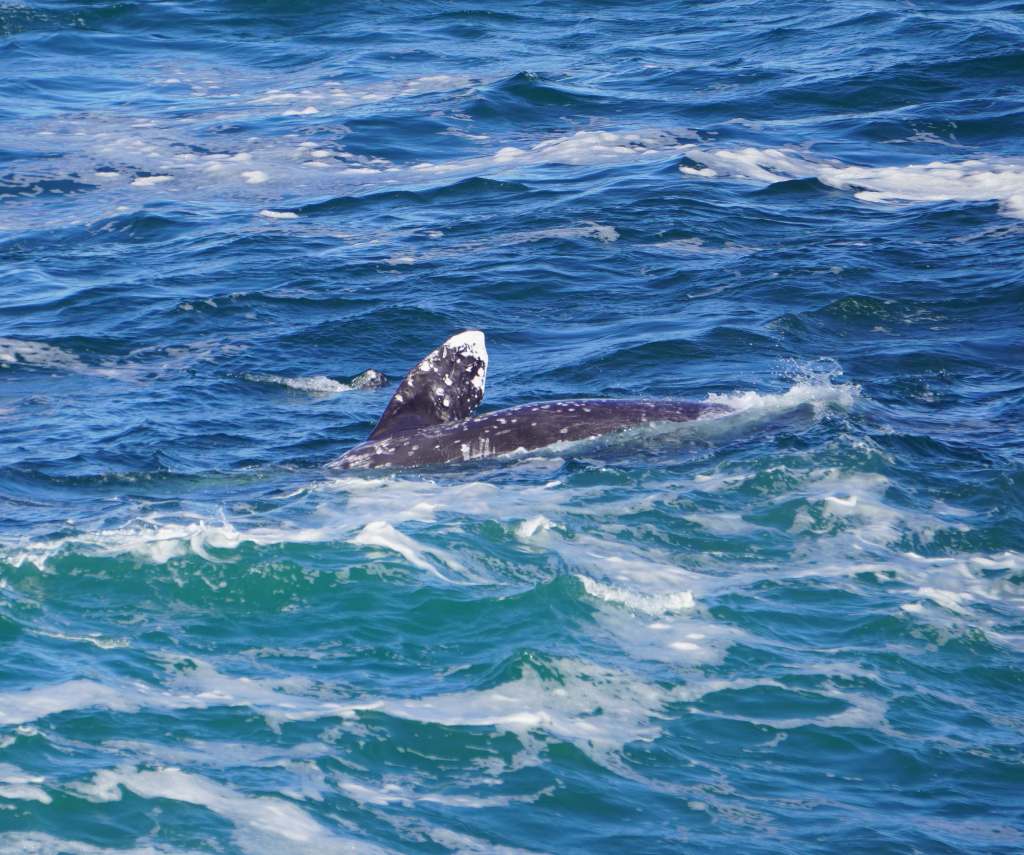
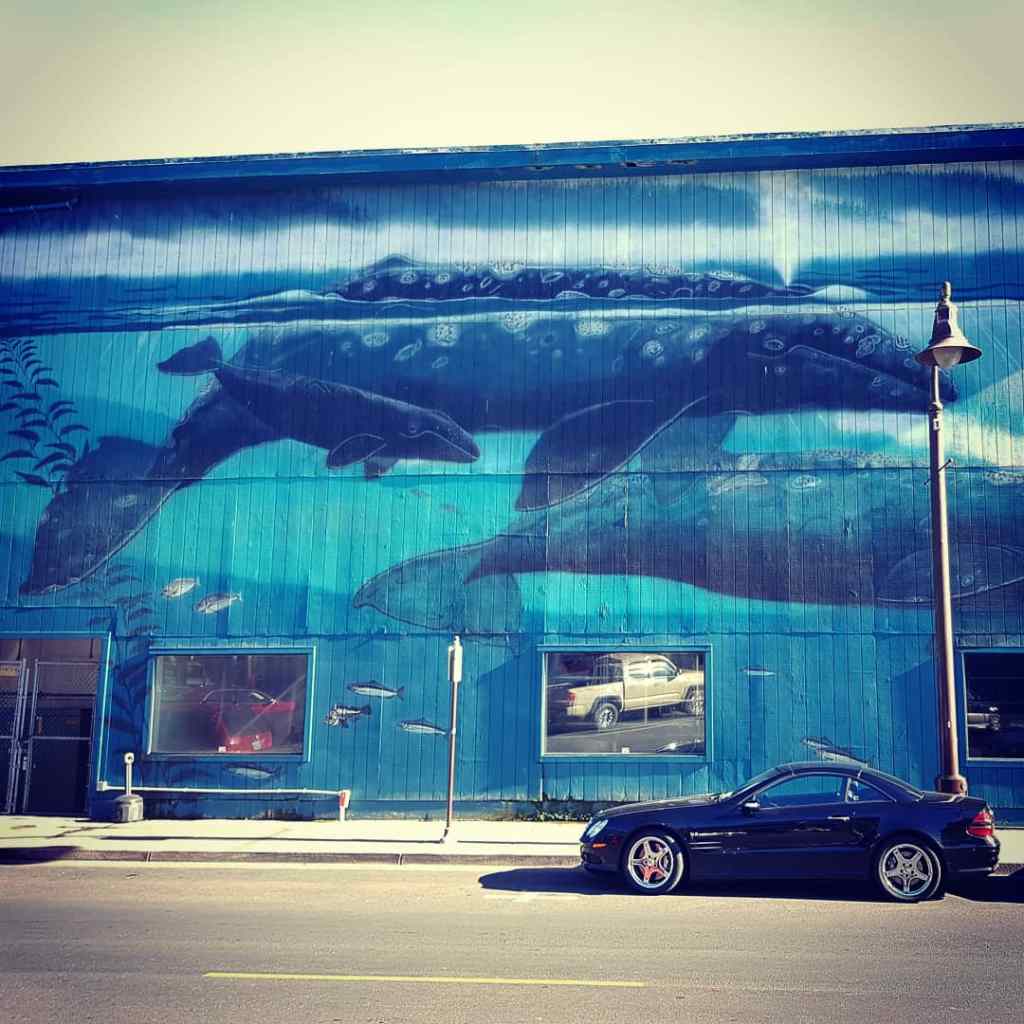
I was wave-watching rather than whale-watching as I stood by the sea wall in Depoe Bay last week. The huge swells rolling in sent white-water crashing over a rocky headland, dazzling in the welcome sunshine. Returning waves collided with incoming ones, exploding vertically. As mesmerising as the waves were, these were tough conditions for spotting whales. But then a thin veil of spray rose from just beyond the headland. Then another, followed by the mottled back of a gray whale glistening in the sunlight, an awesome surprise.

The small town of Depoe Bay on the Oregon coast is a whale-watching hot spot. Even out of season there were constantly people pausing along the sea wall to spot blows, many equipped with binoculars. The whale-watching companies that run boat trips from June to October while some of the Pacific Coast Feeding Group are around had stopped for winter just a week before. Unfortunately, the Oregon State Parks Whale Watching Centre — usually open year-round — was also temporarily closed for maintenance but would be open again before the next Whale Watching Week in December at the peak of the southward migration.

Happy with my gray whale sighting, I cycled out of town. Keen to reach Newport in good time, I almost didn’t stop at Rocky Creek State Scenic viewpoint just a couple of miles south of Depoe Bay. The number of parked cars and the sight of someone on the cliff edge with binoculars piqued my interest though. Wheeling my laden bike over the grass, more spectators came into view on a rocky promontory, lining the footpath and standing on the same grassy headland as me, all looking over a small cove. Between the waves, a blow from the centre of the cove, then another close to the first and, out of the corner of my eye, a third right in near the rocks. Three gray whales and they were so close!

As the closest two surfaced through the swells, I could make out their narrow heads, pale with barnacles, then their blows and rolling backs, sometimes a glimpse of their tail flukes just below the surface as they dived again. As I watched, the whales gradually moved this way then that, nearer then further from my viewpoint. Then there were two. Still the crowds remained, as hooked as I was. If I hadn’t had a bike shop to reach I could have stayed there all day, watching the gray whales in Whale Cove.
What3words

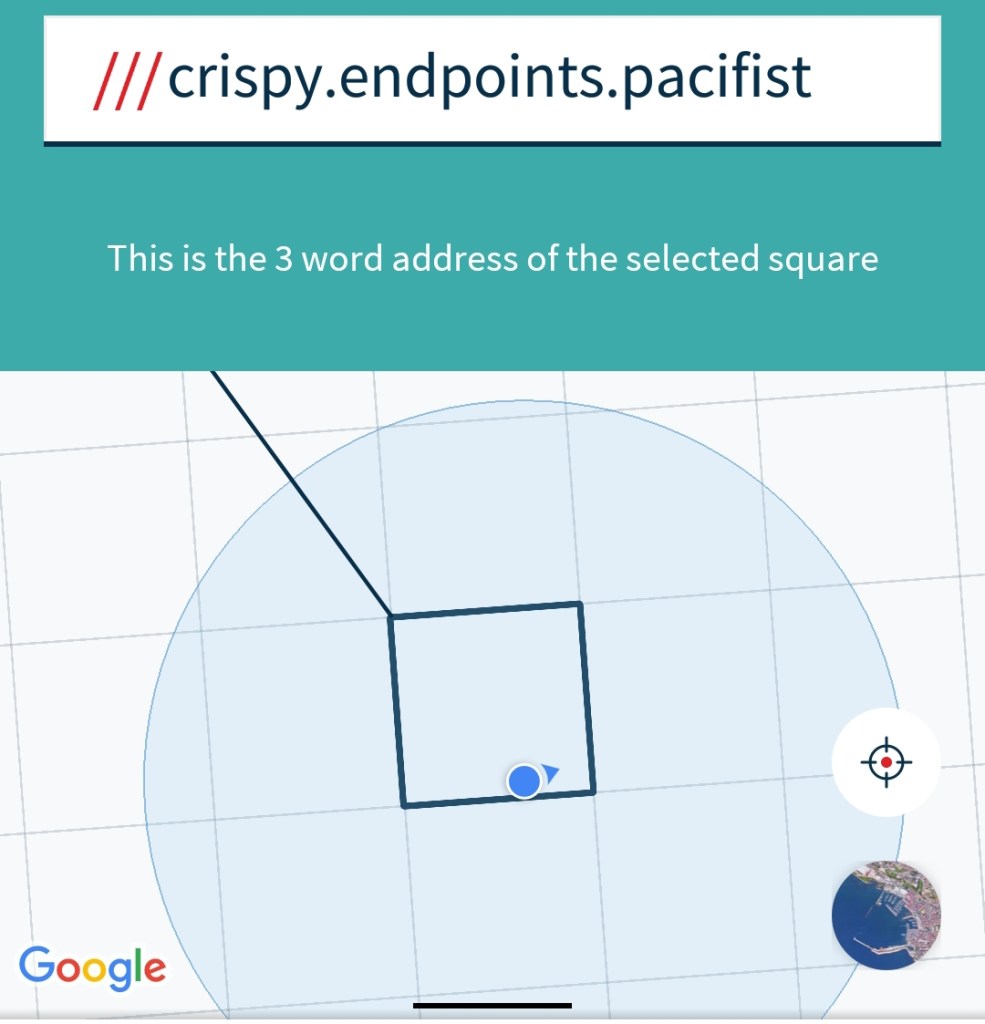
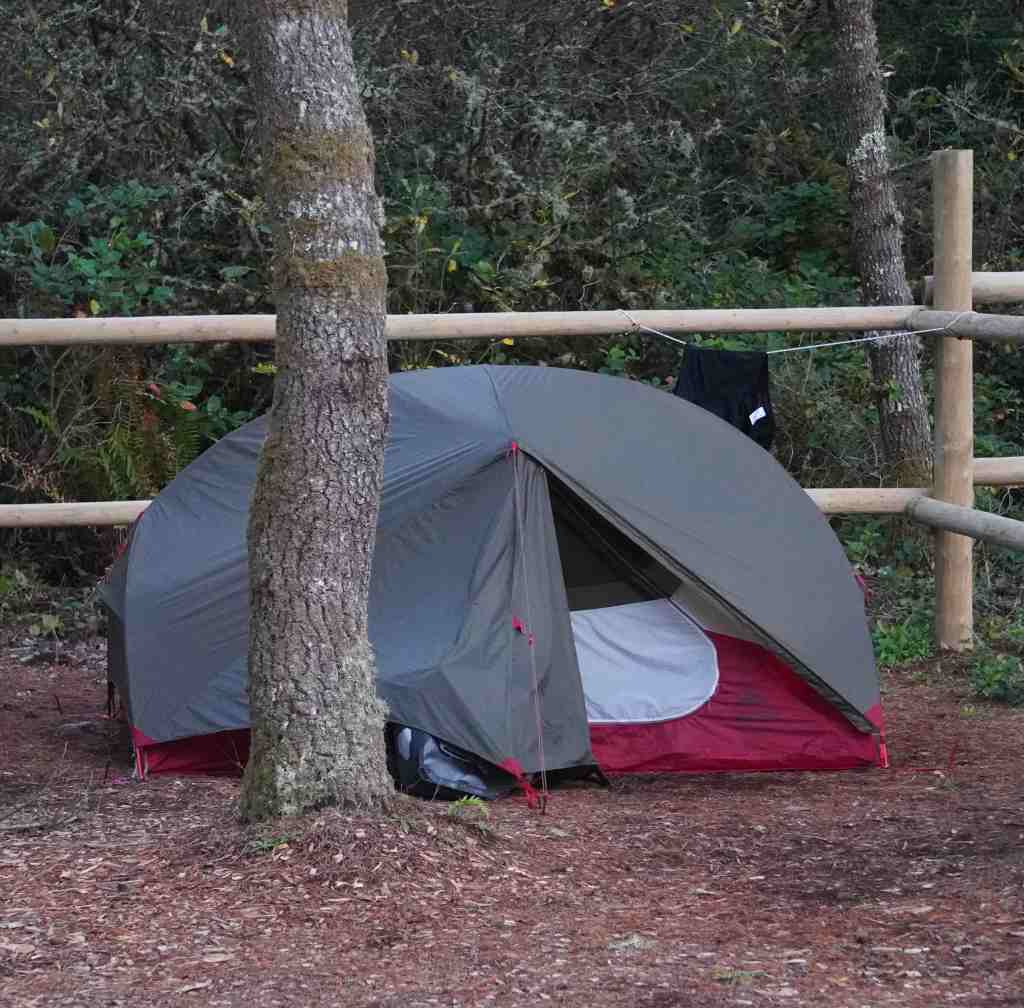
So far I have camped at crispy.endpoints.pacifist, certified.jumper.canines and unroll.pester.making, amongst other places. Each three-word combination reveals my location to within three metres and can be found, and navigated to, using the what3words app or website. It’s a very cool system and quite addictive, I absolutely recommend checking it out!

What3words was initially created by Chris Sheldrick and his team after they had trouble finding the locations of music gigs. Launched in 2013, what3words assigned each of the 57 trillion 3×3 metre squares on the planet a unique three-word combination, giving billions of people an address for the first time. What3words is now used by postal companies, emergency services, aid agencies and businesses across the globe.

I’ve not yet moved my tent to get a catchier what3words but I love checking my latest address. In quieter moments, thinking of more appropriate addresses has also kept me entertained. I’ve had varying amounts of sleep at what.was.that, probably.another.raccoon, bear.munch.nom and please.send.help, and there’ll be more.

You can find out more about what3words in this TED talk and here.

One month in!

As of Sunday, it’s been a month since I arrived in America. In many ways, the time has flown by (not on the hills so much, perhaps) and the journey has already been quite the adventure! Here are some summary stats (up until Sun 20th Oct).

Countries visited: 2 (USA and Canada)
US States visited: 3 (Alaska, Washington and Oregon)
Miles cycled: 602
Cumulative elevation gained (m): 6,704
Number of sore knees: 2
Number of punctures: 4
Times gray whales seen: 2 (Pasagshak Bay, Alaska and Neah Bay, Washington)
Other cetacean species seen: humpback whales, killer whales, Dall’s porpoise, Pacific white-sided dolphins

This has already been my longest stay in America and, at times, the learning curve has been steep. My first five minutes in Oregon were almost my last as I encountered another variety of zebra crossing. I’ve mastered cycling on the right though, and bagels. Pretzels and the tiny, ill-fitting cubicle doors in ‘restrooms’ still confuse me.

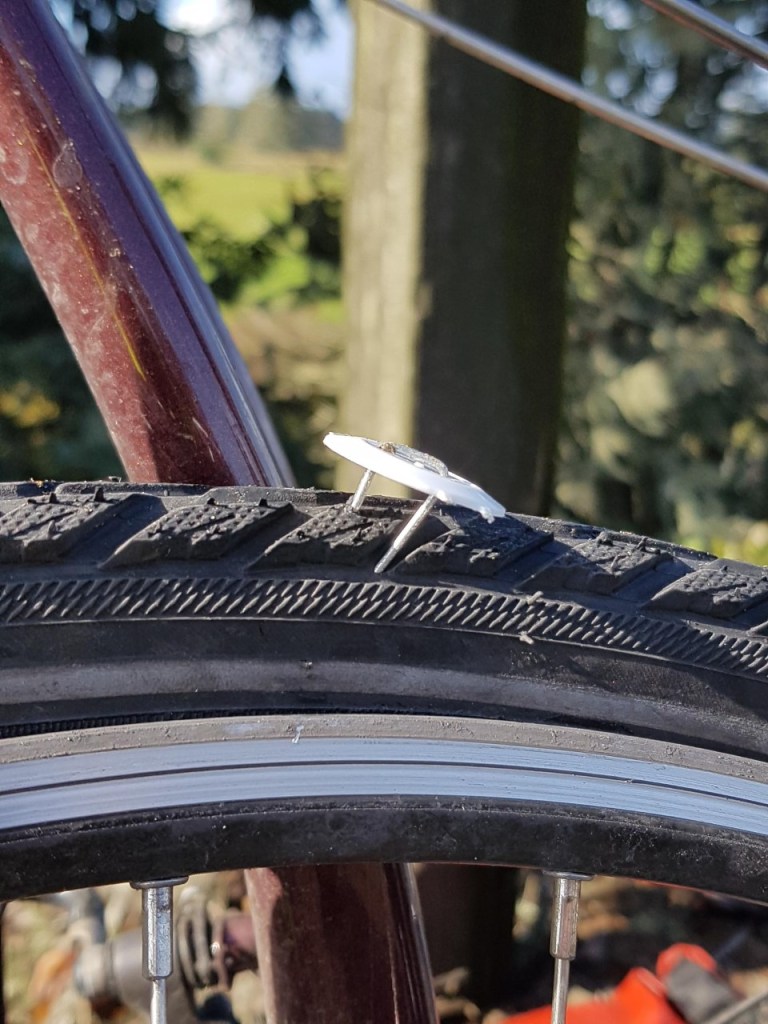
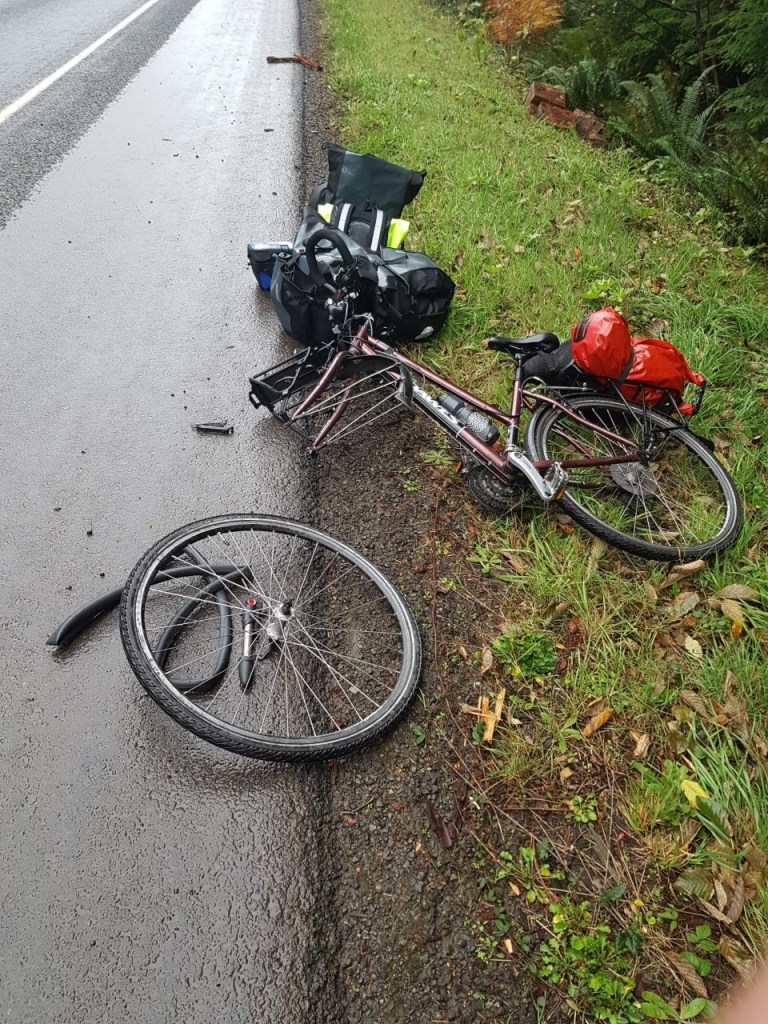
Life on the road has been even tougher than I expected. The wind and rain have far exceeded anything that Scotland prepared me for. Turns out Scotland knows nothing of rain. And while cycling through heavy rain for hours on end, with my toes squelching in my shoes, is miserable, having to stand on the narrow hard-shoulder for up to an hour wrestling with a puncture while lorries swoosh past, sending waves of spray down my neck, is even worse. By the time I get moving again, I’m cold, plastered in road grime, behind schedule and fed up. There’ve been five punctures so far this trip, three in the last three days. They often cost me the crucial bit of daylight I need to reach my destination and the frequent micro-tweaks to my plan will, sooner or later, amount to a bigger tweak. But, for now, I’m pushing on while I can.

In terms of distance to cycle, the bulk still lies ahead of me and the hills will continue. The lure of warmer, drier weather and further gray whale encounters — both of the Pacific coast feeding group and migrating whales — encourage me onwards and I’m hoping my knees will cooperate. Here’s to the next month, whatever it may hold.

La Push

Visiting La Push, home to the Quileute Tribe, required another detour but was absolutely worth it to chat with tribal member Emily Foster, editor of the official newsletter of the Quilete Tribe The Talking Raven, over lunch. I’ve been reading Howard Hansen’s depictions of Quileute life in La Push in the book ‘Twilight on the Thunderbird’ but to hear about life in current times was just as interesting.

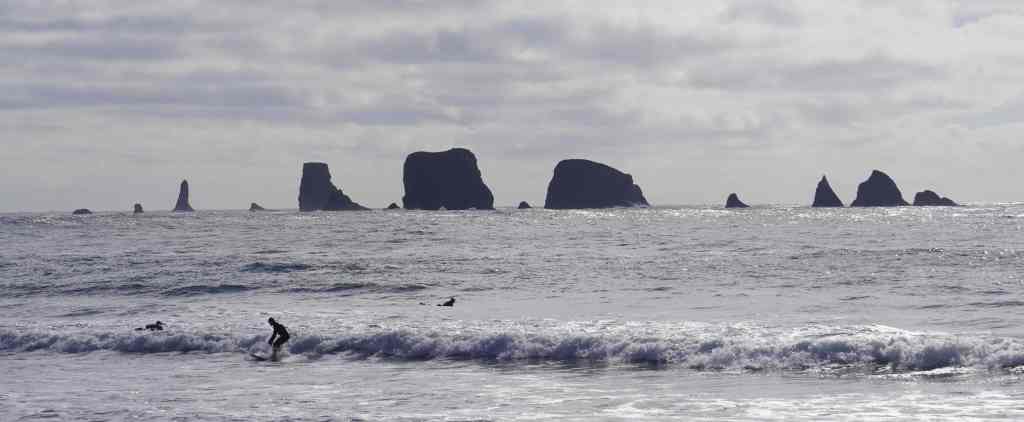
Turns out La Push was the setting for Twilight, which I’m led to believe is a tale of vampires, wolves and angst. Fans of the series have since boosted visitor numbers to Forks and La Push. Not really my thing but La Push is certainly a spectacular setting. If you can picture a dense, lichen-cloaked forest running down to a craggy coastline where pines perch atop rocky islands and surf crashes onto sandy beaches littered with bleached tree trunks, that’s La Push and it’s beautiful.

The gray whales are most apparent here in spring as they migrate north. Then, a Welcoming of the Whales ceremony is held, with prayers, singing and dancing on the beach. The ceremony, first held back when the Quileute would hunt the whales, continues although the whaling has long since stopped. An offering of salmon is paddled into the bay, representing the importance of the sea and its inhabitants to the Quiluete Tribe. If I can time my next visit to La Push to coincide with the ceremony, all the better.

Neah Bay

Neah Bay, close to the most northwesterly point of the contiguous US, was a bit of a detour for me but — as the home of the Makah Tribe — an important stop. Unfortunately, my short visit didn’t allow me to meet any of the Makah Tribe but I found the Makah Museum fascinating.

Much of the museum is dedicated to the story of Ozette, a Makah village that was buried by a mudslide approximately 500 years ago, then increasingly exposed by coastal erosion in 1969. A huge operation was launched to salvage not just artefacts from the village but also confirmation of the Makah’s way of life at that time.

Taking photos in the museum was prohibited but these postcards give an idea of life in the Pacific Northwest

As well as the Ozette operation, the museum outlined the seasonal patterns of subsistence of the tribe, including the springtime gray whale hunt. The hunt was halted in 1920 after commercial whaling had dramatically reduced the gray whale population. Since the eastern Pacific gray whale population was removed from the endangered list in 1994, the Makah have been keen to resume subsistence whaling. The discussions regarding this are still ongoing.

As well as the gray whales that pass close to shore during the northward migration in spring, some gray whales (the Pacific coast feeding group) remain in the Oregon-Washington-SE Alaska region until autumn and I was lucky enough to spot one from shore. I’d camped out at Hobuck Beach, four miles from Neah Bay, and had braved the mosquitoes to look for whales as I ate my supper on the beach. All was quiet. My luck changed in the morning though, when blows rose up from beyond the surf. A gray whale!

Check out the blow beyond the wave!

Vancouver Island

Two days on Vancouver Island was nowhere near long enough but I gave it my best shot, visiting the Shaw Centre for the Salish Sea, going whale-watching with Eagle Wing Whale and Wildlife tours and hearing about local marine mammal matters from Dr Anna Hall.

The whale-watching trip started slowly, searching the Salish Sea under sunny skies and a biting wind. Areas that had been brimming with humpback whales just a few days before now yielded nothing. Time slipped away, followed closely by the feeling in my fingers and toes. Then, a blow! Our first humpback whale, heading steadily east. Then two more blows, a pair of humpbacks diving together. Next, a small group of Dall’s porpoise whizzing along so quickly I didn’t even raise my camera. Instead, I watched the black and white torpedoes shooting through the swell in a flurry of splashes. Then, the highlight for me, southern resident killer whales!

The southern resident killer whale population numbers less than 80 individuals and is listed as endangered under the Endangered Species Act. The scarcity of salmon (their favoured prey), the presence of persistent organic pollutants in the environment, vessel disturbance and underwater noise are all considered factors in the population’s decline, so it was an honour to see them. Amongst the group was an adult male whose impressively tall dorsal fin just kept on rising out of the water, and a mother-calf pair, one of only a few calves born to the population in recent times. Massive thanks to Eagle Wing tours and Anna for such an incredible trip!

In other news, whilst camping in the ancient rainforest of Goldstream Park, I coped bravely with my fellow forest inhabitants. Paw-steps around my tent prompted only occasional outbursts of abuse and I slept through an assault on my bear canister entirely. Having seen my first live raccoon of the trip the evening before, I put the attack down to the little masked bandits, probably nothing to do with bears at all.

San Juan Island

Admittedly, sunshine can make all the difference and my stay on San Juan Island was gloriously sunny. However, even in the rain — which I experienced in impressive proportions as I left — it would be hard not to like a place where you navigate by old barns and fields of cows. For me, San Juan was an excellently calm stepping-stone from the bubble of the Alaskan ferry to the traffic and tribulations of my next destinations.

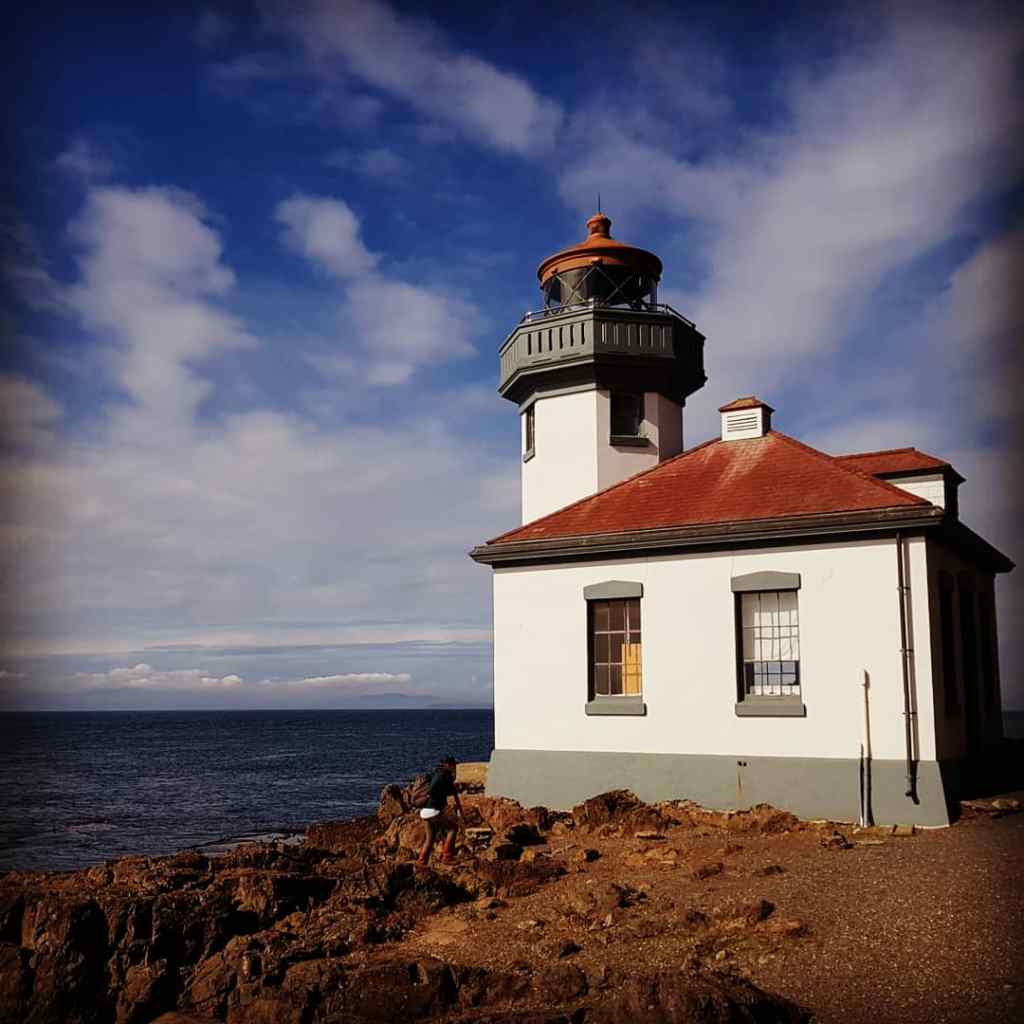
As luck would have it, my friend, marine mammal expert Dr Frankie Robertson, lives on the island and very kindly housed, fed and entertained me while I was there. As we drove around, Frankie brought me up to speed on the status of local marine mammal populations, ongoing studies and research questions still to be addressed. Our trip out to Lime Kiln State Park, where killer whales often cruise by close to shore, was cetacean-free but I was lucky enough to meet Jeanne Hyde, Lime Kiln’s resident killer whale expert, whose enthusiasm for all things marine was shared with energy and humour.

Friday Harbor’s Whale Museum contained an abundance of information about the Salish Sea, the local killer whales, gray whales and more. Jars of whale lice sat alongside baleen plates and patches of barnacles still attached to leathery strips of whale skin. A gray whale skeleton was suspended near that of a killer whale and, mindbogglingly, the skeleton of conjoined harbour seal twins found in 2013.

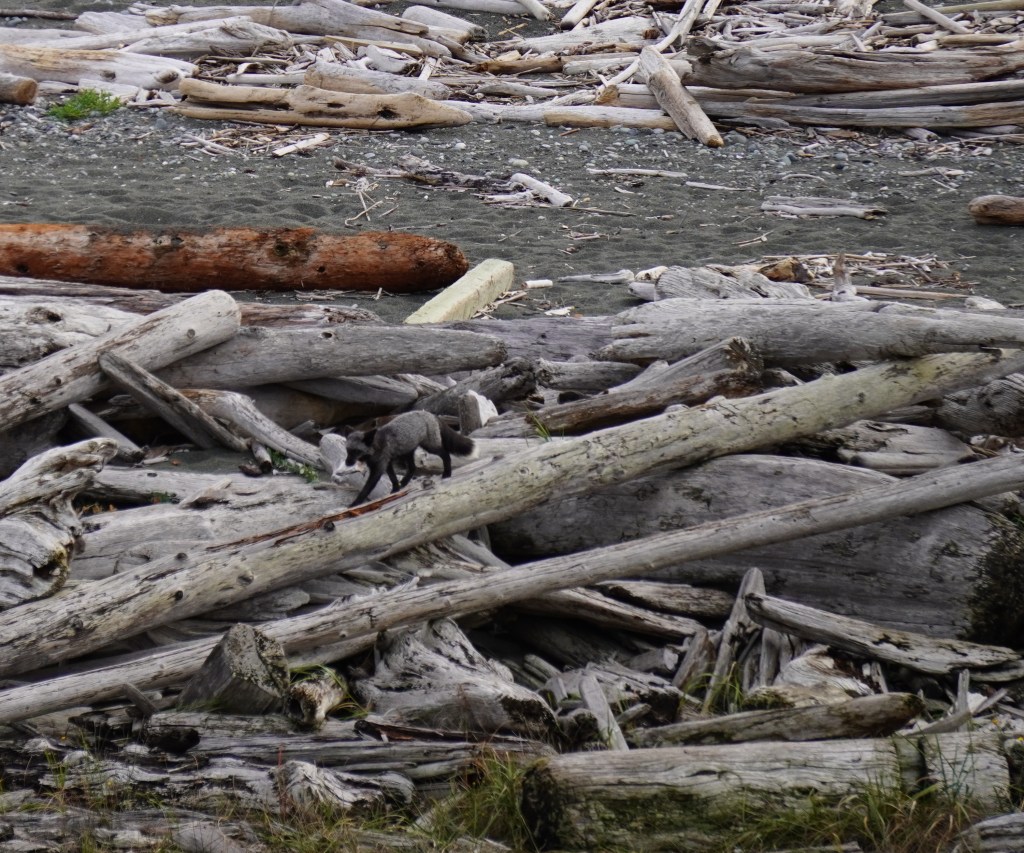
An evening walk on the island’s south coast gave us stunning views across a flat calm Strait of Juan de Fuca to the mountains of mainland Washington. Minke whales, the species we’d come looking for, eluded us. Instead, we watched synchronised teams of diving ducks, foxes in orange and black, a group of otters in the shallows, a bald eagle and grazing deer. Even better, Frankie assured me that — apart from a visitor earlier this year who’d promptly moved on — the island was bear-free. What a place!

Cruising the marine highway

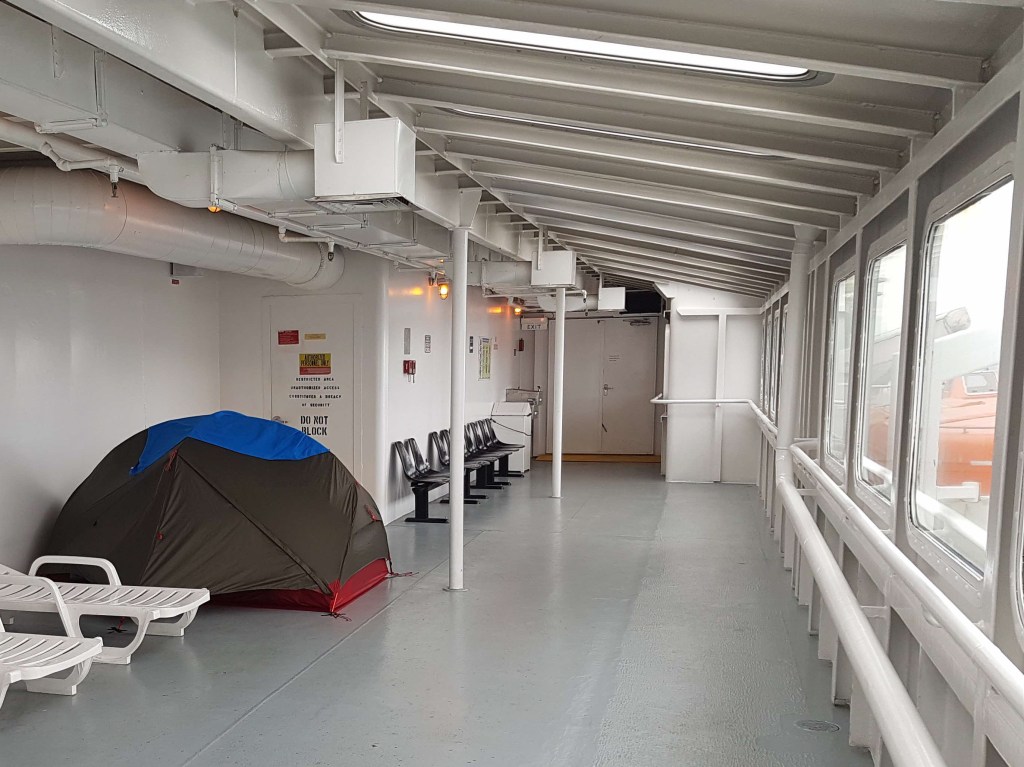
Day five of life on the M/V Kennicott, sailing the Alaska Marine Highway System, has come around quickly. Day one was an overcast day of adjusting to life onboard, deciphering the café menu (biscuits and gravy anyone? how about some grits?) and watching a group of Dall’s porpoises splash past. The 16 passengers onboard quietly rattled around the 116 metre vessel, reading in the lounge and doing jigsaw puzzles. Our numbers grew that evening after we stopped in Whittier, a tiny outpost connected to Anchorage by a one-way tunnel shared by cars, lorries and trains.

Day two brought challenging sea conditions that kept many passengers in their bunks and had the rest of us staggering around like drunks. Our speed was reduced to 10 knots as we punched into a convincing swell and were engulfed by frequent squalls. It wasn’t until evening that we reached more sheltered waters close to our port call at Yakutat, arriving under the cover of darkness and in a heavy downpour.

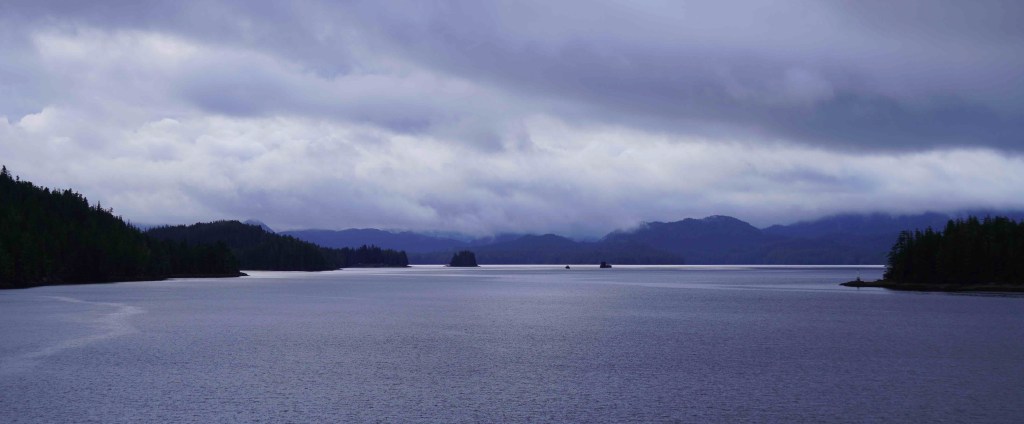
The reprieve was short-lived as we headed back out to sea again, although it wasn’t as bad on our return and sleep was possible, albeit in short stretches. Since then we’ve cruised calmer waters through a labyrinth of pine-covered islands. Dark clouds have accompanied us with rain never far away and wisps of lighter mist clinging to the treetops. Smoke rises from the chimneys of the few waterside homes we pass and navigation lights blink from rocky promontories.

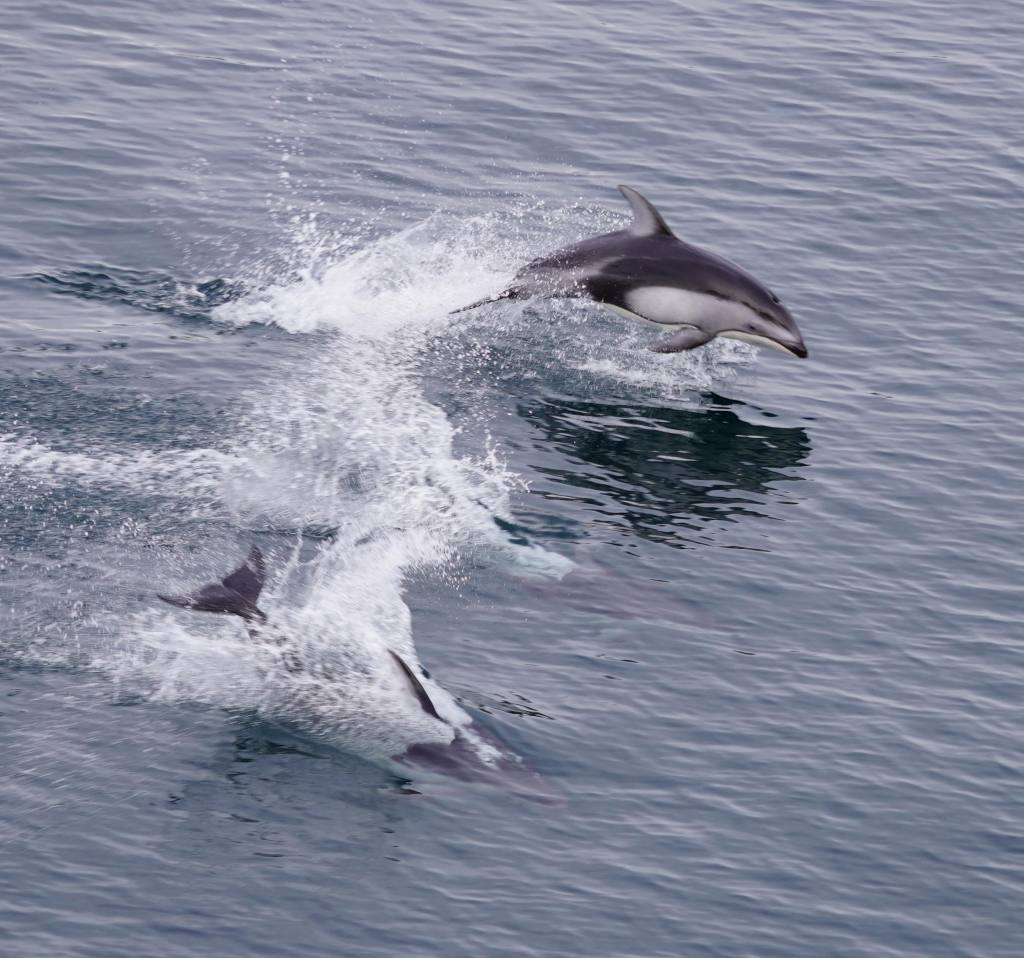
The marine mammal hiatus was broken by a group of snoozing sea lions on the imaginatively named Rocky Island, then came a few humpback whale sightings, their light blows standing out against the dark forest. This afternoon was the grand finale, with killer whales, Pacific white-sided dolphins, humpback whales and sea lions in glassy seas.

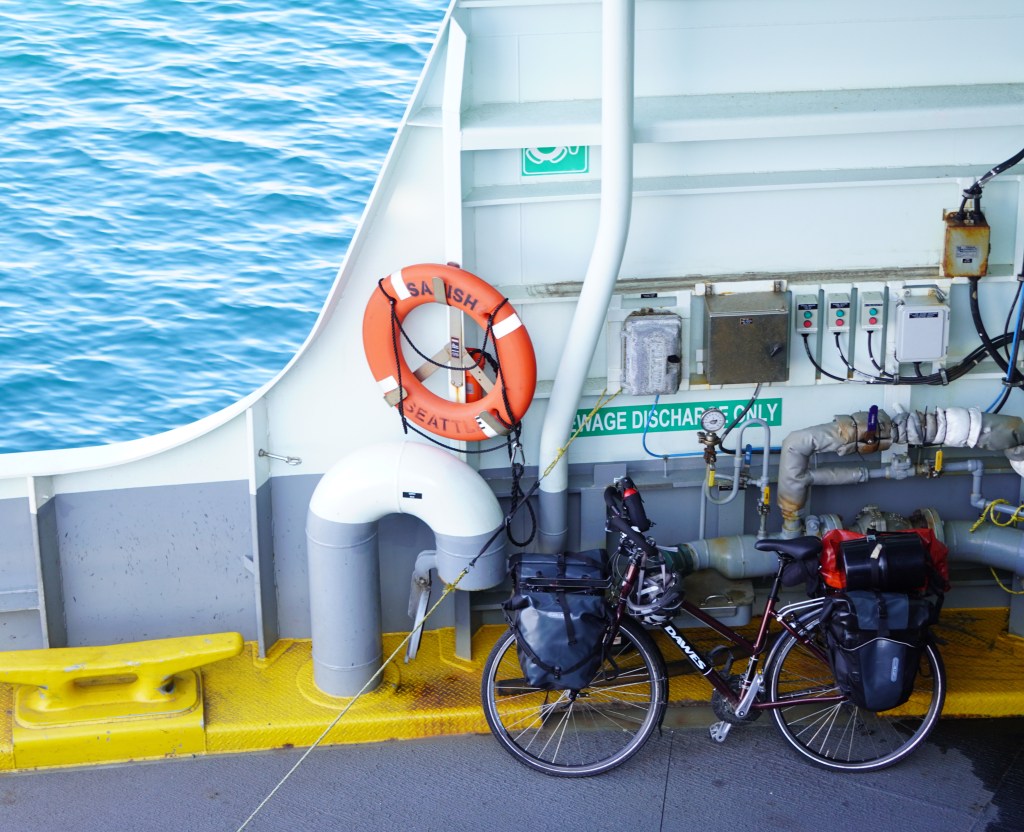
As we approach Bellingham, having travelled 1,935 miles from Kodiak, it’s time to think of cycling again. Island hopping between San Juan Island and Vancouver Island, then back to the mainland at Port Angeles, will hopefully ease me back into my cycling routine. My schedule gets hectic after that, with ambitiously long days. Let’s see how that goes.
Piece by piece

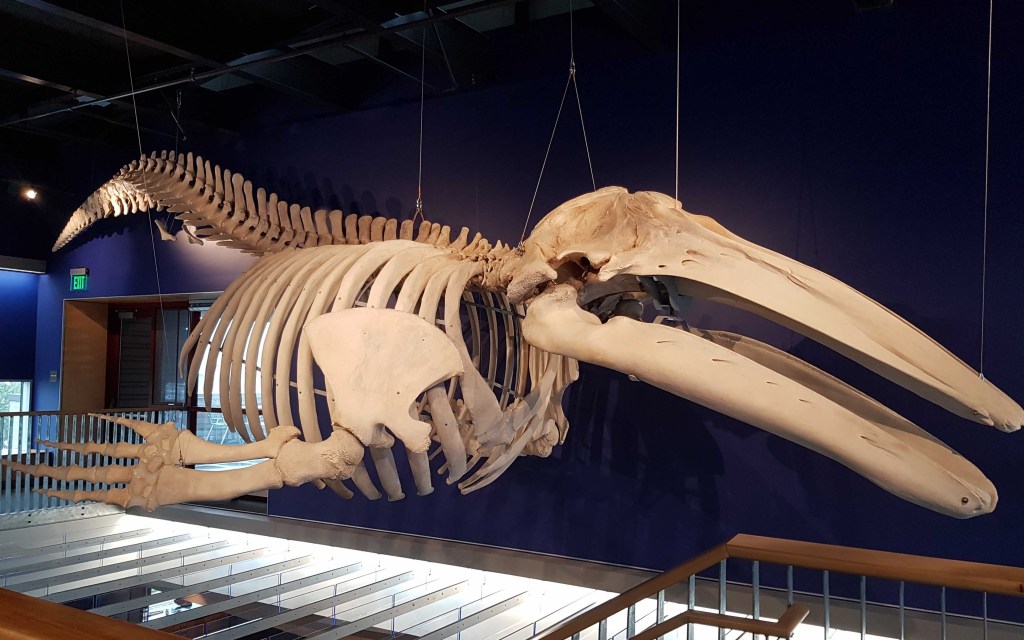
It was in May 2000 that Stacy Studebaker found a dead gray whale washed up on Pasagshak beach and saw an opportunity for the whale to become an educational project. Just four days later, she’d pulled together a team and the whale was buried beneath 10 ft of soil in a trench 45 ft long where it was left to decompose.

The real work began four years later. Piece by piece, the whale’s bones were excavated, cleaned, left outside to be bleached by the sun, then dried in a heated basement. Two years after that, the skeleton was ready to be reassembled, supported by a custom-made steel support system.

Next, the whale was carefully transported to the new Kodiak National Wildlife Refuge Visitor Centre in five pieces and duly reassembled. In 2007, seven years after first being found, the whale’s skeleton was finally back in one piece.

Now, in 2019, the skeleton display is as impressive as ever, suspended in the visitor centre. I squelched around it in waterlogged shoes having just arrived from Pasagshak myself the day after kayaking with gray whales in the bay. Seen from a kayak or as a skeleton on display, these whales are huge. As big perhaps as the challenge of moving one, although that too was possible piece by piece.